Vinyl fences in Louisville that hold their color and shape
Vinyl appeals to Louisville homeowners who like the look of a crisp white or tan fence and are done with weekends spent refinishing boards. A well-made vinyl fence does deliver that: it does not rot, it shrugs off humid summers and it rinses clean with a hose. Still, the word vinyl covers a wide range of quality. A pair of fences that match side by side at a dealer can behave very differently after a few Jefferson County winters, depending on how the PVC was compounded, how thick the walls are, whether the long pieces hide aluminum inside and how the system handles heat and cold. This page explains what separates a vinyl fence that stays straight and bright from one that yellows, cracks or sags, so you can judge a proposal on more than a picture.
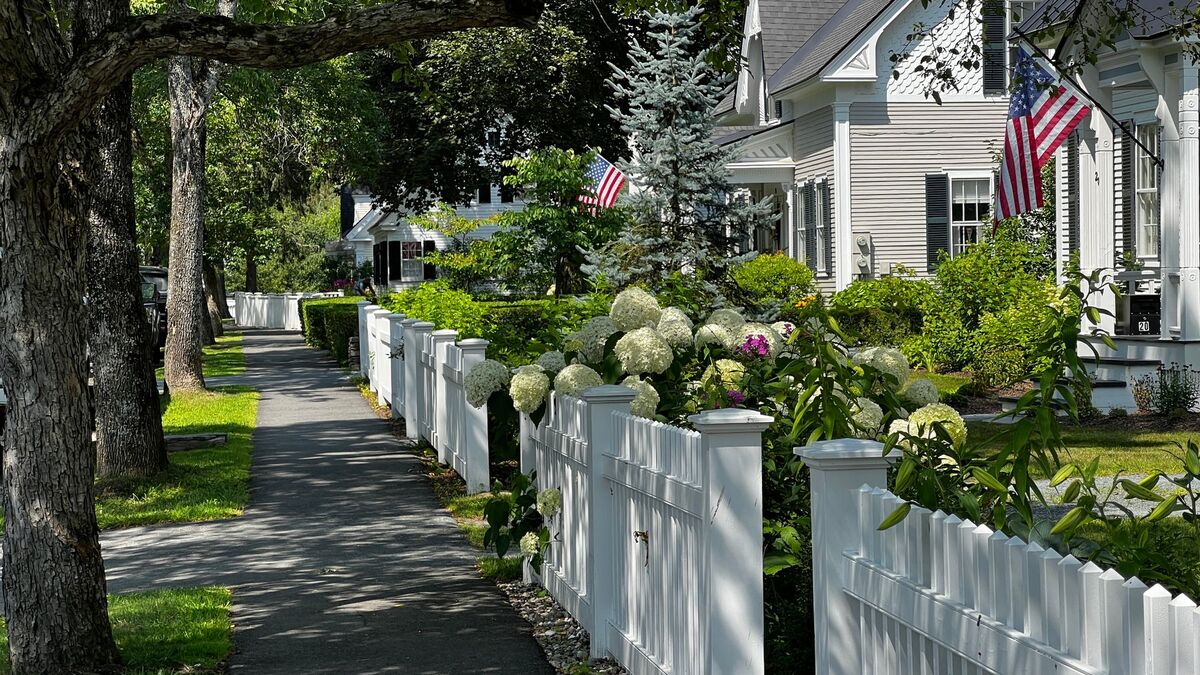
The plastic behind a vinyl fence and the additives that protect it
The material is PVC pushed through a shaped die to make hollow posts, rails and pickets, much like the stuff on house siding and replacement windows. Unprotected PVC breaks down quickly in sunlight, which is why makers mix other ingredients into the compound. For sun exposure, titanium dioxide matters most: it blocks ultraviolet light and keeps the surface from chalking and yellowing. Impact modifiers make the material tougher, and stabilizers keep it from breaking down as it heats and cools.
Many quality fences are made by co-extrusion, with a weather-resistant outer layer fused over a core. That can be perfectly good. The concern is products that skimp on the outer layer or use recycled filler in the core without enough modifiers, which is how a low-cost fence can look fine on day one and turn brittle and dull later. Reputable manufacturers publish their formulation and testing, and a contractor should be able to name the product line being installed.
Wall thickness and the profile of each piece
Run a thumb along a vinyl rail and press. Thin walls flex, ripple and dent; thicker walls feel rigid and sound solid when tapped. Wall thickness is one of the clearest quality differences between brands, and it affects how the fence stands up to wind, a lawn mower bump or a ball thrown against it.
Profile matters as much as thickness. Posts are commonly larger in cross-section than wood posts, and the best rails are taller and deeper, often with internal ribs. A stout post with a thin-walled rail will still sag. When you compare quotes, ask for the post size, the rail size and the wall thickness of each, not just the style name.
Signs of a cheap vinyl fence before it goes in the ground
Most budget vinyl gives itself away if you know what to look at. Before you sign, ask to see a sample section or a fence of the same product line, and check for these:
- Walls that flex visibly when you squeeze a picket or rail between your fingers.
- A glossy, plastic-looking sheen instead of a low, even finish.
- Rails with no internal ribbing and no provision for a metal insert.
- Pickets that rattle loosely in their slots or rely on glue to stay put.
- No published product specifications or manufacturer name on the materials.
- A noticeably bluish or uneven white, which can hint at a thin outer layer.
- Gate kits with plastic hinges and latches rather than stainless or coated metal.
Cold weather, brittleness and impact in a Kentucky winter
PVC stiffens as it gets cold. On a mild day, a vinyl rail will flex and spring back from a knock; on a frozen January morning in Louisville, the same knock can crack it. That is the honest weakness of vinyl in a climate with real winters. Snow shoveled hard against the fence, a sled, a misthrown piece of firewood or a trimmer line can all chip or split a panel when temperatures drop.
Better formulations with more impact modifier handle cold far better, and thicker walls spread a blow over more material. Placement helps too. Along a driveway where snow gets piled or a play area where balls fly, a sturdier profile or a material that tolerates impact may make more sense. Ice storms load vinyl like any fence, and falling limbs will crack it, so trimming overhanging branches is part of owning one.
UV exposure and color stability through humid summers
White is the most stable color in vinyl because it reflects heat and needs the least pigment. Tan, clay, gray and the darker woodgrain colors absorb more sun, run hotter and depend on stronger UV packages to hold their shade. A quality colored fence can stay true for years, but darker tones on a south-facing run will always be working harder than white on a shaded side yard.
Fading and chalking, where a powdery film rubs off on your hand, are signs of an outer layer breaking down. Humid summers add another issue: a damp, shaded fence grows green mildew and algae on its surface. That is cosmetic and washes off, but it shows up quickly on the north side of a house or under trees.
Routed rails, panel systems and aluminum reinforcement
Most vinyl fences are assembled rather than nailed. Each post is routed, so openings are punched through its walls and the rail ends fit inside them. The infill, whether separate pickets or interlocking boards, drops into grooves along the rails, and the whole section locks together, often secured with a small screw or a locking tab instead of glue. Some systems come as preassembled panels that attach to the posts with brackets.
Routed systems are stronger and look cleaner because there are no visible brackets, but they leave less room for error during layout. Bracket systems are more forgiving on uneven ground and easier to adjust. Either way, long bottom rails tend to sag over time in summer heat unless they carry an aluminum channel inside. That insert is standard in well-made privacy fences and is worth confirming in writing.
Why gates and long rails need metal inside them
A vinyl gate is the part of the fence that works hardest. Every swing puts leverage on the hinge post and the frame, and plain hollow vinyl will rack and droop. A durable gate has an aluminum frame or aluminum inserts in the rails and uprights, stainless or coated hardware, and a hinge post that is often reinforced with an aluminum or steel insert and set with extra care.
Wide drive gates are a particular challenge in vinyl. Some installers recommend splitting a wide opening into double gates, adding a drop rod or wheel, or using a steel-framed gate in a matching color. The same logic applies to any rail spanning a long distance between posts. Ask how the gate is reinforced before you approve the layout; it is far easier to get right at the start than to fix later.
Expansion and contraction across the seasons
Vinyl grows and shrinks with temperature much more than wood does. A long run that was snug in a cool April can look different on a hot August afternoon. Properly designed systems leave room in the routed holes and the rail channels so the parts can move without buckling. Problems show up when pieces are cut too tight, glued solid or screwed in a way that pins them, and the fence either bows in summer or pulls apart in winter.
- Cut rails with the manufacturer's expansion allowance, not flush to the inside of the post.
- Secure rails with the specified screw or tab so they can still slide slightly.
- Avoid gluing pickets or rails unless the product instructions call for it.
- Plan post spacing to the manufacturer's section length rather than stretching sections to save a post.
- Check the fence after its first full summer and winter for any rail that has walked out of a post.
Cleaning and caring for a vinyl fence
Upkeep is the reason most people choose vinyl, and it really is light. A garden hose and a soft brush with mild soap handle routine dirt. For mildew on shaded sections, a diluted cleaner made for vinyl siding works well. Power washing is acceptable if the pressure stays gentle and the wand stays well back, because a close, strong spray can scar the surface.
- Scouring pads and strong solvents leave vinyl hazy and scratched, so leave them in the garage.
- Keep string trimmers from whipping the bottom rail and the base of the posts.
- Move grills, fire pits and dark-tinted glass that reflects sunlight away from the fence; concentrated heat can warp vinyl.
- Rinse lawn fertilizer and irrigation iron staining off promptly so it does not set.
- Once a year, check that gate hardware still feels snug and draw up any screws that have backed out.
Which vinyl damage gets patched and which parts are swapped out
Vinyl cannot be patched like a wood board. A cracked picket or rail is replaced, and the fence comes apart in a specific order to get to it. That is usually manageable on a routed system if the manufacturer is still making the same profile and color. The catch is matching: a new white rail beside one that has been in the sun for years may look slightly brighter, and discontinued product lines can be hard to source. Keeping a spare picket or two from the original install is a smart habit. For posts knocked loose by frost or a vehicle, the fence repair page covers the fix.
Vinyl styles, cost drivers and where to start
Solid privacy is the most requested vinyl style around Louisville, often with a lattice or spaced-picket topper for a softer look. Semi-private designs with small gaps, classic picket for front yards, and post-and-rail ranch styles are all available, and pool enclosures in vinyl are common in subdivisions. The contractor prices the job after seeing the site; product line, wall thickness, color, style, height, the number of gates and corners, and rock or slopes in the yard all shift the number. If you are still weighing materials, compare against the wood fence page. Homeowners from newer subdivisions in Middletown to other communities on the areas page can open a request on the contact page with the location and pictures of the yard.
Vinyl fences in Louisville that hold their color and shape — common questions
Will a vinyl fence break when temperatures drop below freezing?
It can. PVC stiffens as temperatures fall, so a hit that a vinyl rail would absorb in summer can crack it on a frozen morning. Day-to-day cold on its own does not damage a well-made fence; the cracks come from impacts while it is cold, such as packed snow thrown against it, a falling branch or a mower or trimmer catching the base. Thicker walls and a formulation with more impact modifier make a big difference, which is one reason budget vinyl tends to show damage sooner in a Kentucky winter.
Is vinyl or wood fence better for a Louisville backyard?
It depends on what you value. Vinyl asks for a bigger first outlay, then skips staining, never rots where it meets the soil and holds an even appearance. Wood is the cheaper starting point, can be built in almost any style, is easy to repair board by board and looks natural beside older homes and trees, but it needs regular finishing in a humid climate. If you plan to stay in the house a long time and dislike maintenance, vinyl often comes out ahead. If budget and design flexibility matter most, wood usually wins.
Why is my white vinyl fence turning green?
That green film is almost always mildew or algae growing on dust and pollen stuck to the surface, and it shows up first on the shaded, damp side of the house or under trees. It does not damage the vinyl. A soft brush with mild soap and water, or a cleaner made for vinyl siding, takes it off. Trimming back shrubs so the fence dries after rain, and pointing sprinklers away from it, slows the regrowth. A yearly rinse in spring keeps it from building up.
Can you replace just one panel of a vinyl fence?
Usually yes, as long as matching parts are still available. On routed systems, the damaged section is taken apart by removing the post cap and sliding the rails out, then new pickets or a new rail go back in. Bracketed panel systems are often simpler, since the panel unbolts. The hard part is finding the same profile and color, because product lines get discontinued and older vinyl weathers to a slightly different shade. Knowing the brand and style of your fence makes ordering replacement parts much easier.
Do vinyl fence posts need metal inserts?
Not every line post needs one, but some posts and rails benefit a great deal. Gate posts take constant leverage from the swinging gate and are commonly reinforced with an aluminum or steel insert. Bottom rails on privacy sections carry the weight of the infill and tend to sag in summer heat without an aluminum channel inside. End and corner posts on exposed, windy lots may also be reinforced. A good proposal says exactly which posts and rails get metal, so you are not guessing after the fact.
Will a tan or gray vinyl fence fade faster than white?
Colored vinyl absorbs more sunlight and runs hotter than white, so it relies on stronger UV protection to hold its shade, and darker tones on a sunny run are under more stress. Quality colored products are formulated for that and can stay consistent for years, while budget colored vinyl is where fading and chalking tend to show up. If you want a color, ask which product line it comes from and whether the color is solid through the material or only in a surface layer, then weigh how much direct sun the fence line gets.
Talk through your site
Start with the address, what you want done, and a few photographs of the area, including anywhere water sits after a heavy rain.
Related work
Fence Installation
New fences on Kentucky clay and limestone, set below frost, with permits and gates done right.
Fence Repair
Leaning posts, storm damage, rotted boards and sagging gates, repaired or replaced.
Wood Fences
Treated pine and cedar privacy and picket fences, and how wood handles humid summers.
Chain Link Fences
Galvanized and black chain link for dogs, kids and back property lines.
Farm and Plank Fences
Board plank fencing, post-and-rail and wire farm fence for acreage, horses and long runs.
Across the metro
Jeffersontown
East-side suburban city with ranch homes, subdivisions and back-to-back yards.
St. Matthews
Established older neighborhoods with mature trees, tight lots and alleys.
Middletown
Eastern suburbs with newer subdivisions, association standards and pools.
Prospect
Northeast lots with larger acreage, river bluffs and estate-style fencing.