Fence repair in Louisville for leaning posts, dragging gates and storm damage
Breakdown usually creeps in one piece at a time. A post softens at the ground line, a gate starts scraping the walk, a winter of freeze and thaw nudges a corner out of plumb, or an ice storm drops a limb across two sections. Caught early, those problems are often modest fixes. Left alone, one weak post pulls on its neighbors until a whole run leans. This page explains how fences in the Louisville area typically break down, what each kind of damage looks like, how a repair contractor deals with it, and how to judge whether patching makes sense or the money is better spent on a new fence. Point us to the property and include pictures of what broke, and the contractor can judge the real damage.
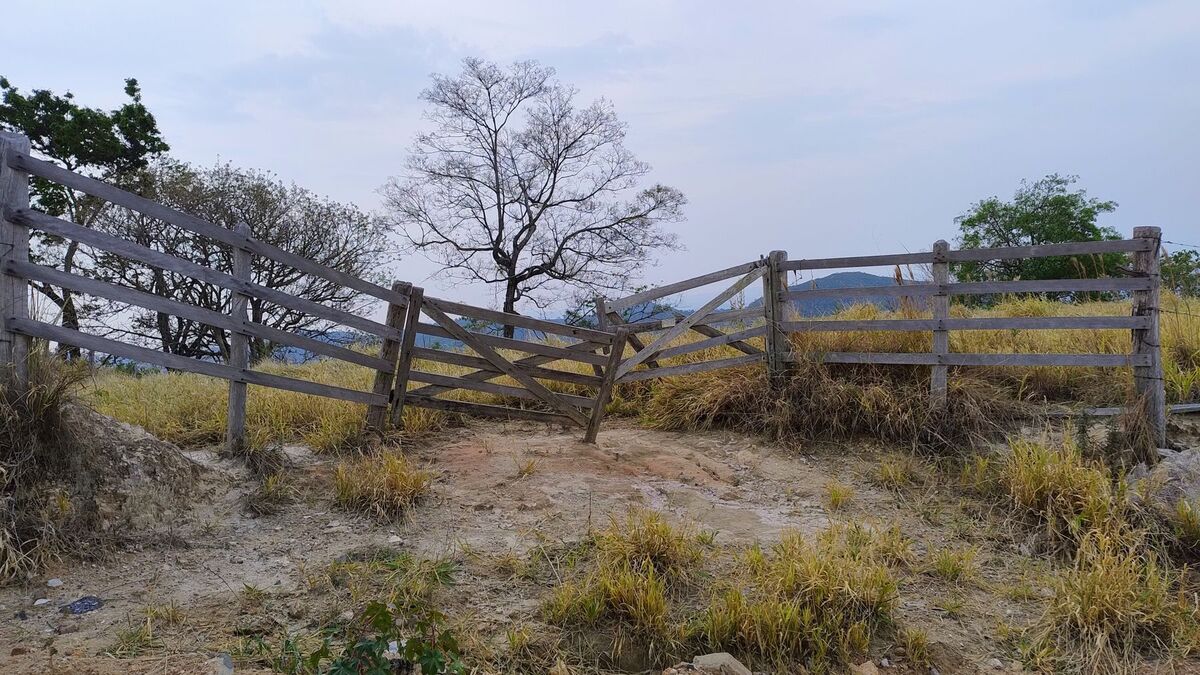
Reading the damage before choosing a fix
A good repair starts with a diagnosis, not a hammer. The visible symptom is often a few feet from the real cause. A section that leans may be suffering from one rotted post, from soil washed out by a downspout, from a tree root heaving the footing, or from a neighbor's woodpile pushing against the boards.
Walk the fence slowly and push on each post at shoulder height. Any post that rocks, crunches or flexes at the base is suspect. Look along the top rail from one end; a sag or wave shows where something has moved.
Rot at the ground line, where wood posts usually give out
No part of a wooden fence takes more abuse than the short band of post right where it enters the dirt. Moisture, oxygen and fungi all meet there, and the heavy clay common around Louisville stays damp long after rain.
Probe the post at soil level with a screwdriver. If the tip sinks in easily or the wood comes away in wet fibers, the post has lost most of its strength even if it looks fine higher up. One soft post can be handled on its own. Several in a row, or rot showing up in rails and pickets too, usually point toward a larger rebuild. Material choice and how to slow rot on a new fence are covered on the wood fence page.
Frost heave and posts that creep upward
Kentucky winters swing back and forth across freezing again and again. Water in the soil around a post freezes, expands and grips the post or its concrete collar, lifting it slightly. When the ground thaws, loose soil slumps into the gap below, and the post never quite settles back.
Heave is most common where posts were set too shallow, where the concrete collar flares wider at the top than the bottom, or where water collects around the footing. The fix is usually resetting the post deeper, below where frost reaches, with drainage under it and a footing shape that does not give the ice a ledge to push against. How deep the hole must legally go is a question for the building office that covers your street.
Leaning sections: fixing the cause, not just pushing them straight
A lean almost always traces back to a post. Wind pushing on a solid privacy fence, wet soil softening after weeks of rain, a broken footing or a post snapped below grade will all let a section tip. A real repair deals with whatever let it move.
- Post intact but footing loose: dig out around the base, plumb the post, and re-set with fresh concrete or compacted stone.
- Post rotted at grade: replace it, or support it with a steel repair stake driven alongside and bolted through.
- Soil washed out by runoff: correct the drainage, backfill and compact, and redirect the downspout or swale that caused it.
- Tree root lifting the footing: shift the post along the line or bridge the root with a longer rail span where the material allows.
Sagging gates and gates that drag
Gates take more abuse than any other part of a fence, and they usually announce trouble by dragging on the ground, refusing to latch or swinging open by themselves. Each symptom points at a different cause, and the fix changes with it:
- Hinge post leaning toward the opening: the post or its footing has moved, so it needs resetting or a heavier replacement anchored in concrete.
- Frame pulled out of square: fit a new diagonal brace, or add a cable with a turnbuckle that lifts the drooping latch corner level again.
- Hinges loose or bent: fasteners have stripped out of soft wood or light hardware has fatigued; heavier hinges with through-bolts solve it.
- Latch misaligned after a season of frost movement: adjust or relocate the latch once the posts are stable, not before.
Broken rails, split pickets and loose boards
Rails carry the weight of every picket between two posts, so a cracked or rotted rail lets a whole bay droop. Rails often fail where they meet the post, especially when the end was toenailed and water has been sitting in the joint for years. Replacing a rail is straightforward on most wood fences, and a galvanized rail bracket or a short sister board can carry a rail whose end alone has rotted.
Pickets split from sun, weather and nails driven too close to the edge. Single boards can be swapped, though new wood will not match weathered boards in color until it has aged or been stained.
Wind, falling limbs and ice storm damage
Storms in this region come in several flavors: summer thunderstorms with straight-line gusts, the occasional tornado warning, and winter ice that loads trees until limbs give way. A solid privacy fence acts like a sail, so wind damage tends to show up as snapped posts, rails torn off their fasteners, or whole panels pushed flat.
After a storm, take photos before anything is moved, clear limbs only if it is safe to do so, and keep pets and children away from broken boards and exposed nails. Snapped or uprooted posts need full replacement. If the damage reveals a fence that was near the end of its life anyway, a rebuild may be the better choice, and the fence installation page explains how a new run is laid out and quoted.
Stretched, torn or sagging chain link fabric
Chain link is tough, but it is not indestructible. Dogs that jump against the same spot, kids climbing, a falling branch or a car backing into a corner can stretch or tear the mesh. Once fabric loses tension it bellies outward, and the bottom edge lifts enough for a dog to push under it.
Repair usually means cutting out the damaged section, weaving in a new piece of matching fabric, and re-stretching the run from the nearest terminal post with a come-along and stretcher bar. More on framework and fabric choices sits on the chain link fence page.
Cracked vinyl panels and loose vinyl rails
Vinyl does not rot, but it can crack. Impact in cold weather is the usual culprit: a snow shovel, a kicked ball or a mower clipping the bottom rail on a frigid morning can split a panel that would only flex in July. Summer heat can also push rails loose from the routed holes in the posts after expansion or a post moving out of plumb, and gate frames sag if their internal reinforcement was skipped.
Most vinyl systems are built from interlocking pieces, so a damaged picket, rail or post sleeve can often be replaced without rebuilding the run, provided matching parts are still available. The vinyl fence page goes into product quality differences that help a replacement fence last longer.
Sistering, resetting or replacing a damaged post
A damaged post can be handled three ways, and the right choice depends on how much good wood remains, what the footing looks like, and how much the fence around it depends on that post.
- Sistering: a new post or a steel repair stake is set right beside the damaged one and bolted to it. It is quick and avoids disturbing the panels, but the fix shows and the old post keeps decaying.
- Resetting: the existing post is still sound, so it is dug out, straightened and set again with better drainage or a deeper footing. This suits frost heave and loose footings.
- Replacing: the panels or rails are detached, the old post and its concrete plug are pulled, and a new post goes in at the same spot or slightly offset. It is the most labor but the most durable answer.
Temporary stabilization while you wait for a repair
Repair schedules depend on weather and the contractor's workload, so a fence may need to hold together for a little while. A few safe stopgaps keep pets inside and stop a lean from getting worse:
- Brace a leaning section with a sturdy two-by board angled from the top rail to a stake driven firmly into the ground on the high side.
- Close a gap under the fence with a weighted board, landscape timbers or a temporary length of wire mesh pinned to the ground.
- Tie a failed gate shut with heavy cord or a chain so it cannot swing in the wind and tear its remaining hinge loose.
Repair or replace: making the call on an aging fence
There is no fixed rule, but a few questions sort most fences quickly. Cost drivers for a repair include the number of posts involved, access to the damaged section, whether concrete plugs must be broken out, matching materials and disposal. The contractor prices the work after seeing it. When you get in touch through the contact page, mention which of these apply:
- How many posts are soft, broken or heaving? One or two favors repair; a large share of the run favors replacement.
- How old is the fence, and are rails and pickets also tired? Fresh posts holding up weathered boards rarely make sense.
- Are matching parts still made? A discontinued vinyl profile or an unusual picket style can make repairs stand out.
- Will the fence still meet your needs? A new pool, a new dog or a sale coming up may change what you want from it.
- Does a neighbor share it? Shared fences need a conversation about the scope and the split before work starts.
Fence repair in Louisville for leaning posts — common questions
Can a single leaning fence post be straightened without tearing out the fence?
Detach the rails or panel from the post if needed, dig around the footing, and find out why it moved. A sound post can be pulled plumb, braced, and re-set with fresh concrete or tamped gravel. A post that has rotted at grade can be propped up by hammering a galvanized mender beside it and bolting the two together, which avoids pulling the panels. Areas served are listed on the areas page.
My gate still droops after I snug up the hinge screws. What is going on?
Tightening hinges only helps when the hinges are the problem. More often the hinge post is leaning toward the opening, the frame has twisted into a parallelogram for lack of a real diagonal brace, or the screws have chewed out the soft wood and keep loosening. Check the post for plumb with a level first. If it has moved, the post needs resetting. If it is solid, a brace, an anti-sag cable kit or through-bolted hardware usually ends the drooping.
Can I replace just one section of a wood privacy fence?
Usually, yes. A single bay can be rebuilt by replacing its rails and pickets, and a single post can be swapped with the panels on either side detached and reattached. The main issue is appearance: new lumber is lighter and will stand out against weathered boards until it ages or the whole fence is stained. If several sections are failing at once, compare the repair price with a full rebuild, since the setup and travel are part of every visit regardless of size.
What makes fence posts creep upward after a hard winter?
That is frost heave. When wet soil freezes around a post, it expands and grips the post or its concrete, lifting it a little. Soil slumps into the space beneath during thaw, so the post never fully returns. Shallow holes, concrete collars that bell out at the top, and poor drainage all make it worse. Resetting the post deeper, with gravel under it and a straight-sided footing, is the long-term fix. The building office for your address can tell you the depth it expects.
Who pays to fix a fence that sits on the line between two yards?
That depends on who owns the fence, any written agreement between the households and any association rules that apply. A fence built entirely on one property usually belongs to that owner, while a fence centered on the boundary is often treated as shared. Many neighbors simply agree to split the cost of a repair that benefits both yards. Talk before work starts, put the plan in writing, and consult a surveyor or attorney if ownership is genuinely unclear.
When does an aging wood fence stop being worth patching?
Repair makes sense when the damage is isolated and the rest of the fence is in good shape, such as one rotted post, a broken rail or a sagging gate. Replacement starts to win when many posts are soft, pickets are graying and splitting across the whole run, or repeated fixes keep coming back. A useful test is to ask how long the rest of the fence will last after the repair. If the answer is only a couple of seasons, a new fence is often the smarter spend.
Talk through your site
Start with the address, what you want done, and a few photographs of the area, including anywhere water sits after a heavy rain.
Related work
Fence Installation
New fences on Kentucky clay and limestone, set below frost, with permits and gates done right.
Wood Fences
Treated pine and cedar privacy and picket fences, and how wood handles humid summers.
Vinyl Fences
Vinyl privacy and picket styles, quality differences and care in a humid climate.
Chain Link Fences
Galvanized and black chain link for dogs, kids and back property lines.
Farm and Plank Fences
Board plank fencing, post-and-rail and wire farm fence for acreage, horses and long runs.
Across the metro
Jeffersontown
East-side suburban city with ranch homes, subdivisions and back-to-back yards.
St. Matthews
Established older neighborhoods with mature trees, tight lots and alleys.
Middletown
Eastern suburbs with newer subdivisions, association standards and pools.
Prospect
Northeast lots with larger acreage, river bluffs and estate-style fencing.